Mastering the Art of Drywall: Tips for Professional-Level Results Apr 04, 2026
To begin, it’s essential to choose the right type of drywall for your project. Drywall panels, also known as gypsum boards, come in various sizes and thicknesses. Standard drywall is perfect for most residential interior walls, but consider moisture-resistant boards for bathrooms and kitchens to prevent mold buildup. For ceilings, a lighter weight drywall can be easier to manage. And if you need extra soundproofing for a room, thicker and denser panels can help insulate against noise.
Once you’ve selected the appropriate drywall, proper installation is key. Prepping the space is the first step to ensure a smooth process. This involves removing any existing wall coverings and cleaning the area thoroughly. Accurate measurements are fundamental; carefully measure the dimensions of the walls and mark the drywall sheets before cutting. Always use a sharp utility knife for precise cuts, scoring the panel lightly and then snapping it along the line for a clean break.
Hanging drywall requires patience and precision. Start from the top and work your way down, keeping the boards tightly butted to avoid gaps. Using the correct number of screws is crucial — ideally, a screw every 12 inches along the studs. Too few screws lead to a weak hold, while too many can cause cracking. Be sure every screw head is slightly recessed into the drywall surface without breaking the paper, as this will give you a smoother surface for mudding.
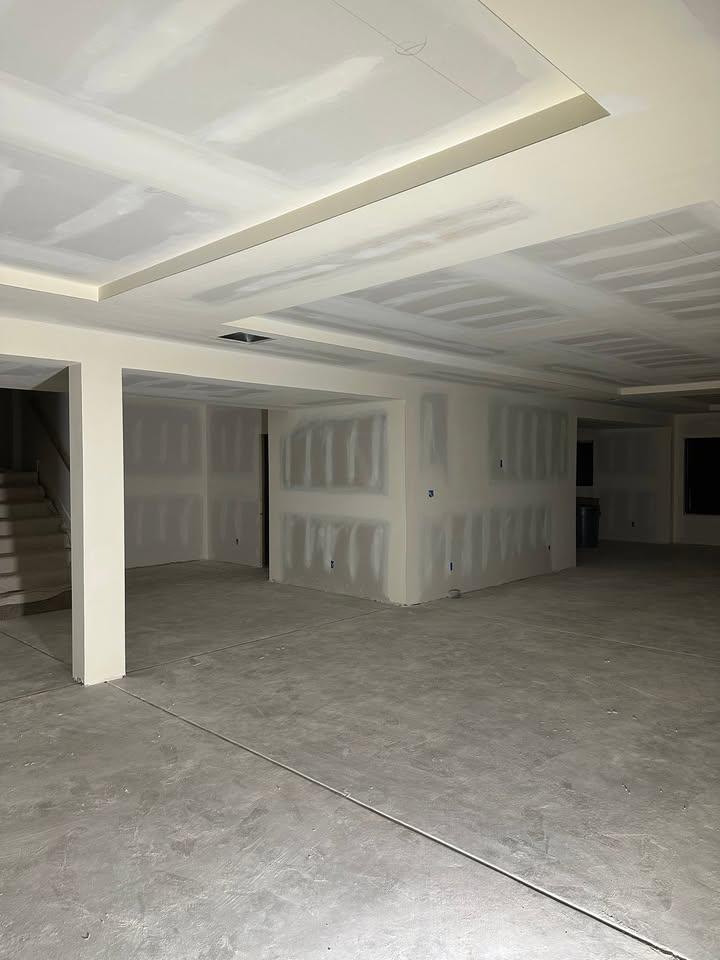
With your drywall firmly in place, the next step is finishing the seams. Use a high-quality joint compound and apply a thin layer over the seams with a drywall knife. Press paper or mesh tape along the seams, then cover it with another coat of compound. Smooth it out, let it dry, and apply additional layers as necessary. Once dried, sand the area lightly to achieve a seamless appearance.
Beyond technical skills, mastering drywall also involves a keen eye for aesthetics. A uniform, well-painted finish makes a considerable difference. Primer is your best friend here; applying a high-build drywall primer before painting helps to even out the surface and ensure the final color is vibrant and true. Once primed, you’re ready to paint. Using quality paint and tools, apply multiple thin coats rather than one thick one for a professional look.
In conclusion, mastering drywall installation and finish requires both practice and attention to detail. Ensuring you understand and apply these fundamental tips can lead to remarkable improvements in your project outcomes. With each step, from selecting the right materials to preparing and painting, you're investing in the longevity and appeal of your space. For those who prefer pursuing perfection with professional support, partnering with experts like Durable Drywall & Painting guarantees exceptional results tailored to your needs.
/filters:no_upscale()/filters:format(webp)/media/8757d210-6fc2-42f2-8f75-c3669fca19f3.png)